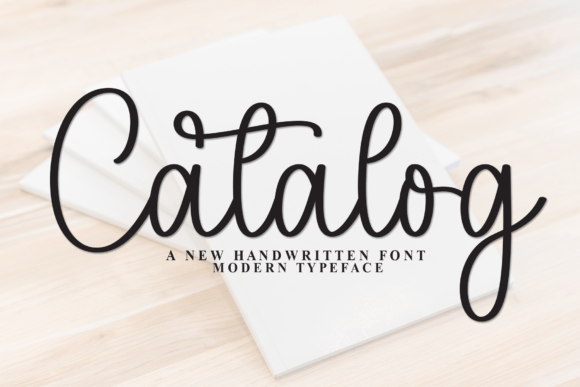
Catalog: The Modern Handwritten Font for Elegant Design
In the crowded landscape of digital typography, finding a font that feels both personal and polished is a genuine challenge. You want something that conveys authenticity without looking messy, and sophistication without feeling cold. This is the precise balance struck by Catalog, a modern handwritten typeface designed to elevate your editorial and lifestyle projects. It captures the essence of high-end cursive penmanship, offering a solution for creators who need to add a human touch to professional contexts.
Anatomy of Elegance: Understanding the Visual Style
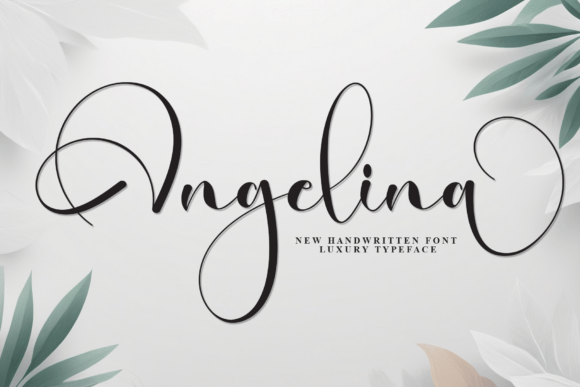
When you first look at Catalog, you notice the height. It features tall, elegant ascenders that give the text a sense of verticality and grace, reminiscent of classic calligraphy but updated for the modern eye. This isn't a rigid, mechanical script; it has a rhythmic, looping quality that flows naturally across the page. However, unlike many casual script fonts, Catalog maintains a refined structure. The spacing is carefully considered, and the baseline remains steady, ensuring that the organic nature of the handwriting doesn't compromise legibility.
The personality of this typeface is best described as "effortlessly curated." It avoids the over-the-top flourishes that can make script fonts difficult to read in long-form text. Instead, it offers a clean, airy aesthetic. This makes it an ideal display font for headlines where you want to make a statement without shouting. Whether you are working on a logo design for a boutique agency or creating a masthead for a lifestyle magazine, the visual character of Catalog communicates taste and attention to detail.
Where Catalog Shines: Practical Applications
The versatility of a premium font lies in its ability to adapt to different mediums. Catalog excels in environments where branding and storytelling intersect. For editorial design, it is a powerful asset. Imagine the chapter titles of a cookbook or the pull quotes in a travel journal; Catalog brings a tactile, intimate feel to the reading experience that standard serif fonts often lack.
In the realm of brand identity, particularly for small business owners and entrepreneurs, this font bridges the gap between luxury and approachability. It is particularly effective for:
- Luxury Product Catalogs: As the name suggests, it shines in high-end lookbooks. It pairs beautifully with product photography, adding a bespoke label feel to descriptions.
- Boutique Fashion Branding: From swing tags to shopping bags, Catalog provides a cohesive look that feels expensive and custom-made.
- Packaging Design: If you are designing labels for artisanal goods, cosmetics, or gourmet foods, this font adds the necessary shelf appeal.
- Social Media Graphics: In a feed dominated by bold, blocky sans-serifs, a sophisticated handwritten font like Catalog stops the scroll. It is perfect for Instagram quotes, sale announcements, and story headers.
For web design, it serves as a striking contrast to clean sans serif fonts. Using Catalog for headers or hero text can immediately set a warm, inviting tone for a website, making the user feel like they are interacting with a real person rather than a corporate entity.
The Psychology of Font Pairing and Hierarchy
Typography is not just about aesthetics; it is about communication. The fonts you choose influence how your audience perceives your brand. Using a creative font like Catalog signals creativity, attention to detail, and a premium offering. It suggests that the creator cares about the nuances of their presentation.
However, the power of this typeface is best realized through smart font pairing. Because Catalog is a display font with high visual interest, it requires a grounding partner. If you pair it with another decorative font, the result can be chaotic and unreadable. The most effective approach is to pair Catalog with a neutral, geometric sans serif font for body text. Fonts like Montserrat, Lato, or Roboto provide a clean, modern counterpoint to Catalog’s organic loops.
Alternatively, for a classic, timeless look, you could pair it with a traditional serif font. This combination works well for wedding invitations, formal event programs, or high-end editorial spreads. The key is to establish a clear visual hierarchy: use Catalog for the headlines to draw the eye, and use your secondary font for the details to ensure readability.
Technical Considerations for Designers
Before integrating any new design assets into your workflow, practical evaluation is necessary. When testing Catalog, pay close attention to kerning and leading. Because of the tall ascenders, you may need to increase the line height (leading) slightly more than you would for a standard block font to prevent the loops from colliding with the lines below.
Readability is paramount, especially in web design and mobile interfaces. While Catalog is legible at medium to large sizes, it is not intended for small body copy. Reserve it for headers, titles, and call-outs. For smaller text, stick to a high-contrast sans-serif or serif.
Another factor to consider is the licensing. If you are a freelancer or a business owner, ensure you are acquiring a commercial font license that covers your specific needs—whether that is for a single client project, a physical product line, or digital templates for sale. Most premium font marketplaces offer clear tiers for this. Checking for included styles, such as italic versions or alternate swashes, can also expand your creative possibilities without needing to purchase additional fonts.
Curating Your Brand’s Voice
Ultimately, choosing a typeface is about finding the right voice for your project. Catalog offers a voice that is articulate, sophisticated, and deeply human. It moves away from the sterile perfection of vectorized text and embraces the imperfections inherent in hand-drawn lettering, while still maintaining the professional standards required for commercial success.
For the designer or content creator looking to inject personality into their work, Catalog is more than just a font; it is a stylistic tool. It allows you to craft a narrative that feels intimate and curated, turning standard headers into conversation starters and ordinary layouts into memorable brand experiences. Whether you are launching a new product line or redesigning a blog, incorporating this typeface could be the subtle shift that elevates your entire visual identity.