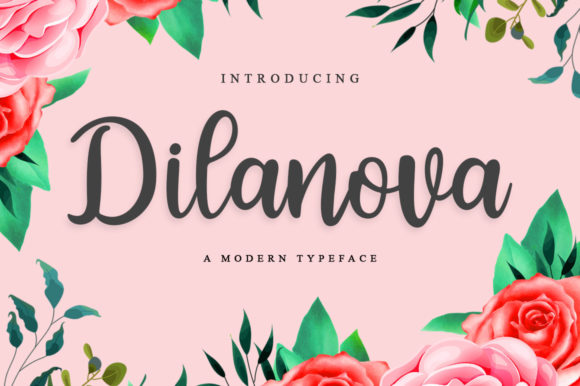
Dilanova: The Elegant Script Font for Modern Design
When a design calls for a touch of personal elegance without feeling overly formal or dated, finding the right script font can feel like searching for a needle in a haystack. Many scripts lean too far into wedding territory, while others appear too casual for professional use. Dilanova strikes a rare and valuable balance. It’s a premium font that captures the fluidity of natural handwriting while maintaining the polish of a high-end typeface. If you are building a brand identity or crafting visual assets that need to feel authentic and sophisticated, this creative font deserves your attention.
Visually, Dilanova is characterized by its delicate, flowing letterforms. The connections between characters are smooth and intuitive, mimicking the rhythm of a skilled calligrapher. It avoids the heavy loops and chaotic slant found in many standard script fonts. Instead, it offers a refreshing look that feels light and airy. The font features a high x-height and clear legibility, which is often a struggle with handwritten styles. Whether used for a logo design or a short headline, the typeface maintains a distinct personality that is both lovely and authoritative. It feels modern, yet it borrows just enough from traditional typography to feel timeless.
Real-World Applications for Modern Creatives
Understanding where a font like Dilanova shines is key to getting the most out of your design assets. Because it is a display font, it is not intended for long paragraphs of body text. However, its strength lies in its ability to command attention in specific, high-impact areas.
For branding and logo design, Dilanova offers a distinct advantage. Small business owners in the lifestyle, beauty, fashion, or food industries often struggle to find a typeface that conveys quality and approachability. Dilanova hits that sweet spot. It looks fantastic on a business card or a website header, instantly signaling to the customer that the brand values aesthetics and detail. It helps build a brand identity that feels personal rather than corporate.
In the realm of publishing and editorial design, this font is a powerhouse for headlines and pull quotes. If you are designing a magazine layout, a blog post feature image, or a book cover, using Dilanova for the title can set the mood immediately. It pairs beautifully with a clean sans serif font for the body text, creating a visual hierarchy that guides the reader’s eye. The contrast between the organic script and the structured sans serif creates a dynamic, professional look that is common in modern typography.
Packaging design is another area where this typeface excels. Imagine a product label for artisanal coffee, organic skincare, or boutique stationery. The font adds an immediate sense of craftsmanship. It suggests that the product inside is made with care. Similarly, for social media graphics, where you have only a split second to capture a user's attention, the unique character of Dilanova can stop the scroll. It is perfect for Instagram quotes, promotional banners, or influencer media kits.
Strategic Typography: Influence and Perception
Choosing a font is never just about aesthetics; it is about psychology. The typeface you select influences how your audience perceives your message before they even read the words. Using Dilanova sends specific signals about your brand or project. It suggests creativity, elegance, and a human touch.
In a digital landscape dominated by geometric sans serifs and stark minimalism, a script font like Dilanova introduces warmth. It humanizes digital interfaces. For entrepreneurs and marketers, this is crucial for engagement. When a brand feels human, customers are more likely to trust it. The font’s delicate nature implies attention to detail and premium quality. If you are selling a high-end service or a luxury product, this typeface supports that positioning.
However, visual hierarchy must be respected. Because Dilanova is a display font, using it sparingly is the most effective strategy. It works best as the "accent" in your design system. Use it for the H1 headline, the logo, or the call to action. Let a more neutral serif or sans serif font handle the heavy lifting of the main content. This ensures that your design remains professional and accessible. Overusing a script font can make a layout feel cluttered or difficult to read, but when used with discipline, Dilanova elevates the entire composition.
Practical Guide to Using Dilanova
Before incorporating Dilanova into your next project, it is helpful to evaluate how it fits into your specific workflow. Here is some practical guidance for designers, crafters, and business owners.
Evaluating Project Fit
Ask yourself: Does my project require a personal touch? If you are designing a legal document, a technical manual, or a minimalist tech startup interface, Dilanova might not be the right choice. But if the project involves invitations, lifestyle branding, wedding stationery, creative portfolios, or editorial features, it is an excellent candidate. It is designed specifically for those who need a beautiful and refreshing look.
Font Pairing Strategies
The success of Dilanova often depends on what you pair it with. As a rule of thumb, contrast is king. Avoid pairing it with other decorative or handwritten fonts, as this creates visual noise. Instead, look for a geometric sans serif or a clean serif font.
- Modern & Clean: Pair Dilanova with a sans serif like Montserrat, Lato, or Open Sans. This creates a crisp, contemporary look ideal for web design and social media.
- Classic & Editorial: Combine it with a transitional serif like Garamond or Georgia. This combination feels sophisticated and is perfect for publishing and luxury branding.
Readability and Technical Considerations
Always test the font at the size it will be viewed. While Dilanova is crafted for legibility, all script fonts require careful sizing. Ensure there is enough contrast between the text color and the background. Check the kerning (spacing between letters) to ensure the connected letters flow naturally without overlapping awkwardly. If you are using it for web design, ensure the font files are optimized for fast loading times to maintain a good user experience.
Licensing and Usage
As a commercial font, Dilanova comes with licensing terms that you must adhere to. Typically, premium fonts offer different licenses for desktop use (print, logos), web use (embedding in CSS), and app use. If you are a small business owner creating your own materials, a standard desktop license is usually sufficient. However, if you are a designer creating templates for sale, or if you are embedding the font in a mobile application, you will need to review the specific license to ensure compliance. Respecting the creator's work ensures the continued production of high-quality design assets.
Conclusion
Dilanova is more than just a collection of letters; it is a design tool that bridges the gap between casual handwriting and professional typography. It offers a refreshing alternative to the overused script fonts of the past. By understanding its visual strengths and applying it strategically within your layout, you can create designs that feel intimate, professional, and uniquely memorable. Whether you are a seasoned designer or a DIY entrepreneur, adding this font to your toolkit opens up new possibilities for creative expression.