Little Pea: A Creative Font with a Unique Style
In a world saturated with digital noise, standing out requires a touch of personality. For designers, entrepreneurs, and content creators, the right typography isn't just about legibility; it's about voice. Little Pea is a script font that captures a distinct, whimsical energy. It's not merely a collection of letters; it's a design tool crafted to inject warmth, authenticity, and a handcrafted feel into any project. If you're looking to transform a standard layout into something memorable, understanding the potential of this typeface is a worthwhile step.
The Personality and Visual Charm of Little Pea
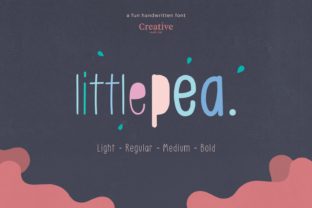
At its core, Little Pea is a handwritten font with a modern, approachable character. It avoids the overly formal or rigid structures of traditional serif fonts and sans serif fonts, instead embracing a fluid, organic flow. The letterforms often feature gentle curves, slight irregularities that mimic natural handwriting, and a balanced rhythm that feels both playful and composed. This isn't a chaotic script; it possesses a thoughtful consistency that makes it versatile.
The visual appeal lies in its ability to feel personal without sacrificing clarity. It carries the charm of a hand-lettered note but is refined enough for professional applications. The overall aesthetic is friendly, inviting, and slightly nostalgic, making it a powerful asset for projects that aim to connect on an emotional level. Its style suggests creativity, care, and a human touch—qualities that resonate deeply in branding and marketing.
Where This Display Font Truly Shines
The strength of a creative font like Little Pea is its adaptability across a wide spectrum of applications. Its nature makes it particularly effective where a headline or accent needs to capture attention and set a specific tone.
- Logo Design and Brand Identity: For brands targeting a young, creative, or family-oriented audience, this font can become a cornerstone of the visual identity. It works beautifully for logos, taglines, and brand marks for bakeries, boutiques, craft studios, children's products, or wellness brands. It helps build a brand identity that feels accessible and genuine.
- Packaging Design: On product labels and packaging, Little Pea can elevate a simple design. Imagine it on artisanal food jars, candle labels, or cosmetic packaging—it instantly communicates a product made with care and personality.
- Editorial and Publishing: In magazines, blogs, or book covers, it serves as an excellent display font for chapter titles, pull quotes, or section headers. It adds visual interest and breaks the monotony of body text, improving the overall visual hierarchy.
- Digital and Web Design: Used sparingly in web design, such as for hero section headings, call-to-action buttons, or featured article titles, it can create a striking focal point. It's also perfect for crafting engaging social media graphics, Instagram stories, or Pinterest pins where a personal touch boosts engagement.
- Personal and Commercial Projects: Beyond professional use, it's a fantastic resource for crafters creating wedding invitations, greeting cards, or personalized stationery. Its friendly style makes it suitable for both personal projects and commercial applications.
Practical Guidance for Using Little Pea Effectively
Choosing a premium font is an investment. To ensure Little Pea delivers maximum value, consider these practical steps for evaluation and implementation.
Evaluating Fit and Readability
First, assess the project's audience and purpose. Is the goal to convey whimsy, warmth, or artisanal quality? If yes, this font is a strong candidate. However, always test it in context. Create mockups to see how it interacts with your imagery and color palette. A critical consideration is readability. As a script font, it is best used for short bursts of text—headlines, logos, and subheadings. Avoid setting long paragraphs with it, as the decorative nature can strain the eyes. For body copy, pair it with a clean, highly legible serif font or sans serif font to create a balanced and professional typographic system.
Mastering Font Pairing and Hierarchy
The true power of a display font like Little Pea is unlocked through thoughtful font pairing. It thrives alongside neutral, structured typefaces. Consider pairing it with:
- A geometric sans serif for a modern, clean contrast.
- A classic serif for a more traditional, editorial feel.
- A simple monospace font for an unexpected, tech-inspired twist.
This pairing strategy establishes a clear visual hierarchy. Use Little Pea for the primary attention-grabbing element, and let its partner handle the informational text. This ensures your design is both eye-catching and functional.
Understanding Licensing and Included Styles
Before finalizing your choice, review the font's licensing details. If the project is commercial—such as client work, merchandise for sale, or a business website—ensure you have the appropriate commercial license. Many premium font packages include multiple styles, such as regular, bold, or italic variations. Explore these options. A slightly bolder weight might be more impactful for a large headline, while a lighter version could suit elegant stationery.
Ultimately, Little Pea is more than just a typeface; it's a design asset with a distinct personality. By understanding its visual strengths, testing its applications, and pairing it intelligently, you can leverage this creative font to craft designs that don't just communicate a message but also evoke a feeling. It’s a tool for turning ideas into eye-catching realities that resonate with your audience.