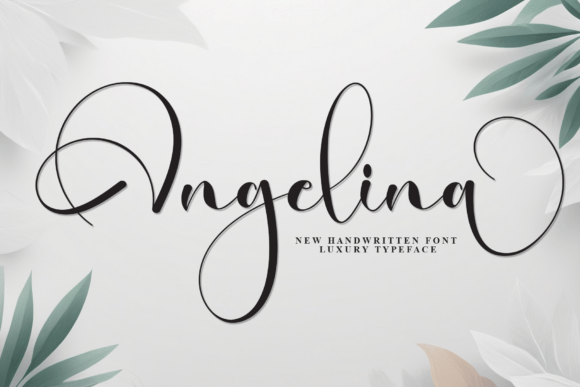
Angelina Font: A Modern Calligraphy Typeface for Elegant Design
There's a specific moment in a design project where you know a standard, clean typeface just won't do. You're working on a wedding invitation suite, a boutique skincare label, or a lifestyle brand's social media posts, and the text needs to feel personal, crafted, and luxurious. This is where a script font like Angelina moves from being a nice-to-have to a central element of your design strategy. It’s not just about making words look pretty; it’s about communicating a specific brand personality and emotional tone through letterforms.
The Visual Character of the Angelina Typeface
Angelina is best described as a modern calligraphy script. Think of it as the sophisticated, slightly more controlled cousin of a loose, casual handwritten font. Its defining features are the delicate, dancing baselines—the lines on which the letters sit aren't perfectly straight, which creates a natural, flowing rhythm. The smooth, flowing connectors between letters mimic the hand of a skilled calligrapher, giving the entire word a sense of cohesion and movement. This isn't a static font; it has a dynamic, free-spirited flair that feels both artistic and intentional.
The overall appeal lies in its ability to balance legibility with artistry. While many decorative scripts sacrifice readability for style, Angelina maintains a clear letter structure. This makes it a practical premium font choice for applications where the text needs to be read, not just admired. Its personality leans towards organic luxury, elegance, and a personal touch—qualities that resonate deeply in brand identity work for fashion, beauty, events, and artisanal goods.
Practical Applications: Where Angelina Truly Shines
Knowing the font's characteristics is one thing; knowing where to deploy it is where the real value lies. Angelina excels in projects that require a display font with high emotional impact. It’s rarely the right choice for body copy in a lengthy report, but it’s perfect for headlines, logos, and featured text.
- Branding and Logo Design: For a boutique, café, photographer, or wedding planner, the Angelina typeface can form the core of a logo design. It instantly communicates a handmade, premium, and personal aesthetic. Pair it with a simple, geometric sans serif font for the business details to create a balanced and professional brand identity system.
- Editorial and Packaging Design: In editorial design, use Angelina for pull quotes or article titles in magazines targeting a lifestyle or luxury audience. For packaging design, it’s ideal for product names on artisanal foods, candles, or cosmetics, adding that "crafted with care" perception.
- Digital and Print Collateral: This creative font transforms social media graphics, especially for Instagram stories, Pinterest pins, and promotional banners, adding a personal, engaging touch. For print, it elevates wedding invitations, greeting cards, thank-you notes, and stationery. Its PUA-encoding means you have easy access to all the glyphs and swashes—the decorative flourishes that can make a design feel truly unique.
Design Strategy: Using Angelina Effectively
Integrating a script font like Angelina into a project requires more than just swapping out your typeface. It’s a design decision that influences visual hierarchy, readability, and overall perception.
Readability and Hierarchy
Use Angelina sparingly. Its power is in emphasis. A single word or short phrase in Angelina, set against a block of text in a clean serif font or sans serif font, creates a strong focal point. This technique guides the viewer's eye and establishes a clear hierarchy. Always test the font at the intended size and medium. What looks elegant on a large printed poster might become a blurry line on a small mobile screen.
Font Pairing and Consistency
The key to using a script font successfully is pairing. A minimalist serif like Playfair Display or a neutral sans serif like Montserrat provides a clean, stable foundation that lets Angelina's elegance stand out without overwhelming the design. For a high-fashion look, pair it with a high-contrast serif. For a more modern, approachable feel, pair it with a rounded sans serif. The goal is contrast in style, not competition. This pairing becomes a critical part of your design assets, ensuring brand consistency across all touchpoints.
Evaluating Fit and Licensing
Before committing, ask: Does this font's personality align with my client's brand or my project's goal? A law firm's annual report isn't the place for Angelina, but a luxury spa's menu certainly is. Review the font's full character set—does it include the ligatures and alternates you need? Finally, ensure the commercial font license covers your intended use, whether for a single client project, unlimited commercial work, or physical product sales. A quality premium font like Angelina is a design asset worth investing in correctly.
In the end, the Angelina typeface is a tool for storytelling. It doesn’t just spell out words; it conveys a mood of elegance, care, and personal connection. Used thoughtfully, it can elevate a design from merely informative to truly memorable, helping you build a stronger brand identity and create a more engaging experience for your audience. It’s about choosing the right voice for your visual message.