The Italian Font: A Designer's Guide to Elegant Script
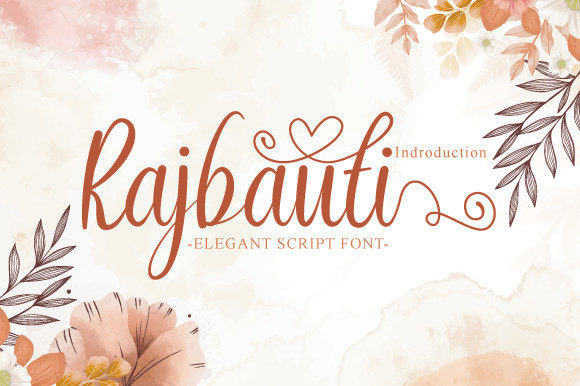
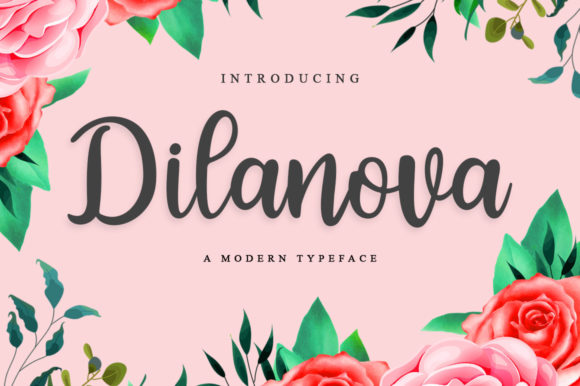
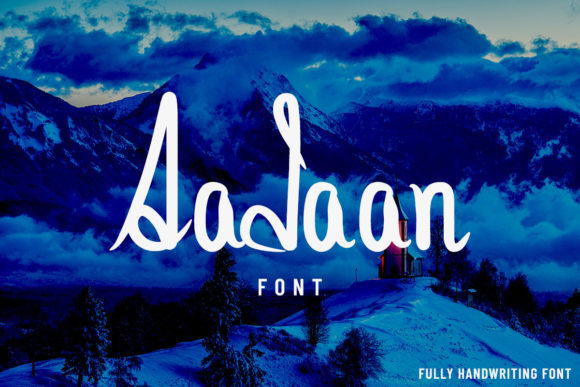
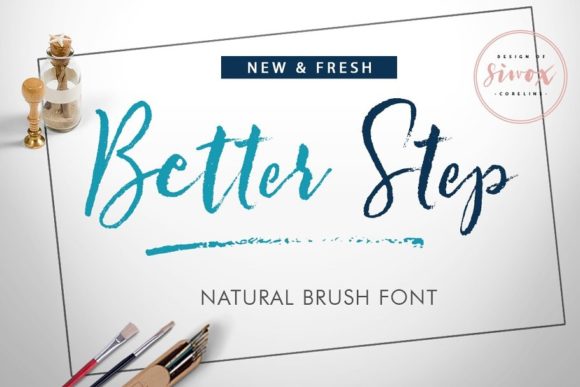
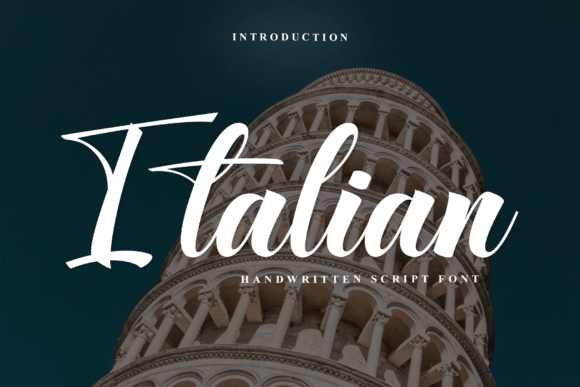
In the crowded landscape of digital typography, finding a typeface that feels both personal and polished can be a challenge. Many script fonts lean too heavily into casual whimsy or stiff formality, leaving a gap for projects that require a touch of authentic sophistication. This is where the Italian font finds its niche. It’s a contemporary script that masterfully balances the organic flow of handwriting with the refined structure needed for professional applications. Its design is characterized by gracefully elongated letters, connected with a smooth, monolinear stroke that maintains consistent weight from start to finish. This careful construction avoids the pitfalls of overly thick or thin strokes, resulting in a clean, legible, and undeniably elegant appearance.
Where Italian Truly Shines: Practical Applications
Understanding a font's personality is one thing; knowing exactly where to deploy it is another. The Italian typeface isn't a universal solution, but in the right context, it elevates a project from ordinary to memorable. Its strength lies in applications where a human touch, a sense of luxury, or a personal signature is desired.
For brand identity, Italian is a powerhouse for boutique businesses. Think of a high-end bakery, a bespoke tailor, a luxury spa, or a wedding planner. The font’s fluidity conveys craftsmanship and attention to detail, instantly communicating a premium brand perception. It works beautifully for logos, especially when paired with a clean sans serif font for body text, creating a visual hierarchy that is both striking and readable. The script style of Italian makes the brand name feel intimate and exclusive.
In marketing and social media, Italian cuts through the noise. Its elongated forms are perfect for creating compelling social media graphics, especially for quotes, announcements, or promotional headers. The font’s inherent elegance ensures that even a simple message looks considered and professional. For lifestyle bloggers and content creators, using Italian for chapter titles in a digital publication or for watermarks on photography adds a consistent, recognizable signature that builds audience engagement and brand recall.
The applications extend into print and editorial design with equal success. In packaging design, Italian can grace the label of a gourmet product or the sleeve of a vinyl record, suggesting artisanal quality. For editorial design, it serves as a stunning display font for magazine headlines, book titles, or chapter openers, especially in genres like romance, lifestyle, or memoir. Its graceful lines guide the reader’s eye and set a specific, sophisticated tone before a single word of body copy is read.
Integrating Italian into Your Design Workflow
Adopting a new premium font into your toolkit requires more than just admiration for its aesthetics. A strategic approach ensures it enhances, rather than hinders, your project’s goals. Here’s how to effectively work with Italian.
Evaluating Project Fit: Before selecting Italian, ask yourself about the project’s core message. Does it require warmth, personality, and a handcrafted feel? If the answer is a resounding yes, it’s a strong candidate. It is less suited for technical manuals or corporate reports where absolute neutrality and dense text legibility are paramount. Its role is as a display font, not a workhorse for long paragraphs.
Mastering Font Pairings: The true power of a script font like Italian is unlocked through thoughtful font pairing. Its ornate nature demands a grounding partner. A geometric or grotesque sans serif font creates a beautiful, modern contrast that keeps the design feeling fresh and accessible. For a more traditional or luxurious feel, pairing it with a refined serif font can be exceptionally effective, as seen in many high-end editorial layouts. The key is contrast in structure, not in era or mood.
Testing for Readability: Always test Italian in context. While its monolinear stroke aids legibility, its connected script style can become challenging at very small sizes or in long sentences. Use it for headlines, subheadings, and pull quotes. For body copy, always choose a highly legible companion font. Print a test page or view it on multiple screens to ensure the elegant joins between letters remain clear and don’t bleed into each other, especially at lower resolutions.
Reviewing Assets and Licensing: A quality commercial font like Italian will often come with more than just the basic alphabet. Check for stylistic alternates, ligatures, and swashes that can add unique flair to your designs. Crucially, verify the licensing. Ensure it covers your intended use—whether for a client’s logo, a printed product for sale, or a website. Understanding the terms protects you and your client legally and is a mark of a professional designer.
Ultimately, Italian is more than just another creative font in your library. It is a strategic design asset. When chosen thoughtfully and applied with an understanding of its strengths, it becomes a powerful tool for storytelling. It infuses projects with a sense of intentionality, grace, and human connection, helping to build a brand identity that resonates deeply and looks impeccably professional. In a world saturated with generic visuals, a font with such distinct character is not just a choice—it’s a statement.