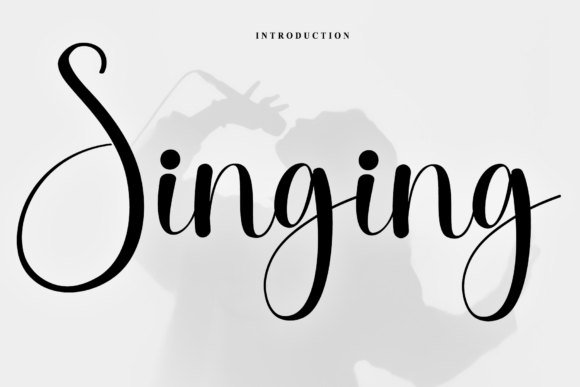
Singing Font: Artisanal Elegance for Modern Design
When you're crafting a brand identity that needs to feel personal, warm, and unmistakably artisanal, typography becomes your silent ambassador. The Singing font enters this conversation as a sophisticated and rhythmic script typeface that balances calligraphic tradition with a fresh, organic sensibility. It’s not just another script font; it’s a design asset with character, built for projects where authenticity and craftsmanship matter.
At its core, Singing is defined by its sweeping, looping ascenders—the parts of letters like 'h', 'l', and 'b' that rise above the main body. These aren't just decorative flourishes; they create a visual rhythm that feels both customized and handcrafted. The overall aesthetic is warm and approachable, yet it maintains a level of sophistication that elevates it beyond typical handwritten fonts. Think of it as the typographic equivalent of a master calligrapher’s relaxed, confident stroke—elegant but never stiff.
Where Singing Truly Shines: Practical Applications
The real value of a premium font like Singing lies in its versatility across specific, high-impact projects. Its personality makes it a natural fit for the world of artisanal food branding—imagine it on a craft coffee bag, a boutique jam label, or a small-batch bakery’s menu. The font’s organic curves and rhythmic flow visually communicate the care and quality behind the product, creating an immediate connection with consumers who value authenticity.
Beyond food, Singing excels in boutique product packaging for cosmetics, candles, and specialty goods. It helps establish a brand identity that feels curated and personal. For upscale lifestyle marketing, it can be the centerpiece of social media graphics, website hero sections, or digital ads that aim to evoke a sense of relaxed luxury. In editorial design, it’s a superb choice for creative titles in magazines, book covers, or blog headers where you want to draw the reader in with style and warmth.
Consider a small business owner launching a line of organic skincare. Using Singing for the logo and primary packaging text immediately sets a tone of gentle, effective care. For a blogger in the food or lifestyle niche, incorporating this creative font into pin graphics or article titles can increase visual appeal and audience engagement, making the content feel more curated and trustworthy.
Making Singing Work: Pairing, Readability, and Licensing
A beautiful display font like Singing needs thoughtful implementation. Its decorative nature means it’s rarely the right choice for long paragraphs of body copy. Instead, use it strategically for headlines, logos, short quotes, or call-to-action phrases. The goal is to leverage its personality without sacrificing readability.
Font pairing is critical. Singing pairs beautifully with clean, simple sans serif fonts or classic serif fonts. For a modern, balanced look, try combining it with a geometric sans serif like Montserrat or Lato for subheadings and body text. This contrast allows Singing’s artistic flair to take center stage while ensuring the overall layout remains clear and professional. Avoid pairing it with other highly decorative or competing script fonts, as this can create visual clutter.
Before committing, always test the font in context. Check how it renders at different sizes—does the detail hold up in a small favicon or social media icon? Review all the included styles and glyphs. Many premium fonts come with alternates, ligatures, and stylistic sets that can add further customization. For commercial projects, verify the licensing terms. Ensure the license covers your intended use, whether for a single client project, merchandise, or widespread digital distribution. Respecting the license is part of professional practice and supports the designers who create these valuable design assets.
Ultimately, choosing Singing is about aligning your typography with your project’s soul. If your goal is to communicate warmth, artisanal quality, and a touch of handcrafted elegance, it’s a typeface that doesn’t just decorate a design—it helps tell the story. By applying it thoughtfully and pairing it wisely, you can create brand identity materials, marketing campaigns, and editorial designs that resonate deeply with your audience, turning typographic choice into a powerful tool for connection.