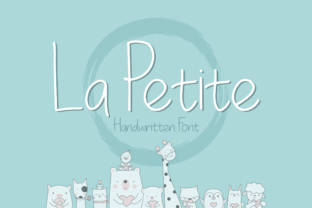
La Petite: Crafting Whimsy with a Modern Script Typeface
If you’ve ever struggled to find a typeface that feels personal without looking messy, La Petite is a breath of fresh air. In the world of modern typography, we often get stuck between two extremes: the rigid, corporate structure of sans serif fonts and the overly formal elegance of traditional serif fonts. Script fonts and handwritten fonts often fill the gap, but they can sometimes be difficult to read or look too childish. La Petite strikes a rare balance. It is a soft, friendly script that carries an energetic, upbeat rhythm. It doesn't just sit on the page; it dances. For designers, entrepreneurs, and content creators, this font offers a way to inject warmth and personality into a project instantly.
The Visual Personality of La Petite
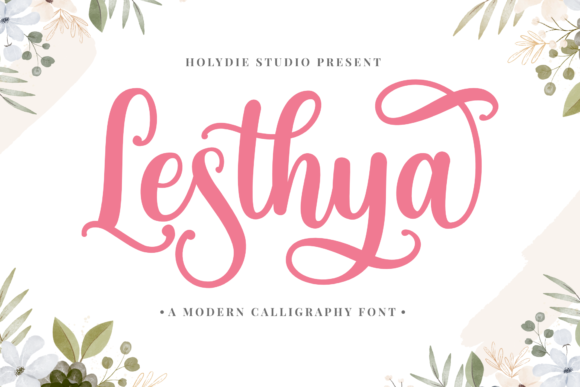
Understanding a premium font goes beyond just looking at the letters; it is about understanding the emotion it evokes. La Petite is best described as having a "bouncy" baseline. The letters don’t sit in a straight, rigid line. Instead, they flow with a natural, handwritten movement that mimics the way a pen moves across paper when writing quickly but carefully. This movement gives the typography a sense of life and energy.
Visually, the strokes of La Petite are smooth and connected. Unlike some harsh, scratchy script fonts, this typeface features soft terminals and gentle curves. It avoids the jagged edges that can make a design feel chaotic. The contrast between the thick and thin strokes is moderate, which contributes to its legibility. It feels intimate and approachable—like a handwritten note from a friend rather than a formal letter from a bank. This makes it an incredibly versatile creative font. It projects a brand identity that is confident, friendly, and authentic, which is exactly what many small business owners and bloggers are trying to achieve today.
Where La Petite Truly Shines: Practical Applications
When we talk about font pairing and application, context is everything. A display font that looks amazing on a wedding invitation might fail on a mobile website. However, La Petite has a wide range of utility across various mediums.
Branding and Logo Design
For small business owners and entrepreneurs, your logo is the face of your company. If you run a boutique, a bakery, a lifestyle blog, or a creative agency, La Petite can serve as a fantastic primary or secondary font in your logo design. It signals to your audience that you value creativity and personal connection. Because it is a script font, it pairs exceptionally well with a clean, geometric sans serif font. For example, using La Petite for the main brand name and a font like Montserrat or Lato for the subtext creates a beautiful visual hierarchy that feels both professional and personal.
Packaging and Editorial Design
In the realm of packaging design, shelf appeal is critical. La Petite adds a tactile, human element to product labels. Imagine this font on a bottle of artisanal jam, a handmade soap label, or the packaging for a stationery set. It communicates quality and care. In editorial design, such as magazines or lookbooks, La Petite works beautifully for pull quotes, subheadings, or chapter titles. It breaks up the monotony of body text and draws the reader’s eye to key phrases, enhancing the reading experience.
Digital Spaces and Social Media
We cannot ignore the digital landscape. On social media platforms like Instagram and Pinterest, visual hierarchy is driven by contrast. Using La Petite in your social media graphics can make your quotes, announcements, and calls-to-action pop. It is an excellent choice for "Instagram Stories" or headers on a website. However, a word of caution on web design: while La Petite is legible for headers, script fonts should generally be used sparingly on screen. Always ensure that your body text remains a highly readable serif or sans serif font to maintain accessibility.
Strategic Typography: Influence on Brand Perception
Typography is silent communication. The moment a potential customer sees your font choice, they make a subconscious judgment about your business. Using a typeface like La Petite influences brand perception by softening the corporate edge. It tells your audience that you are approachable and that your business has a human touch.
For content creators and marketers, engagement is the goal. A creative font can increase engagement by making content feel less like an advertisement and more like a conversation. When you use La Petite for a headline, it creates a focal point that invites the reader in. It helps build a consistent brand identity; when customers see that specific, energetic script repeatedly, they begin to associate that feeling with your brand. This consistency builds recognition and trust over time.
A Designer’s Guide to Using La Petite
Adopting a new font into your design assets requires a bit of strategy. Here is some practical guidance on how to evaluate and implement La Petite into your workflow effectively.
- Evaluating Project Fit: Before choosing La Petite, look at the tone of your project. Is it serious and formal, or casual and energetic? La Petite fits best in the latter category. It is ideal for lifestyle, beauty, food, fashion, and creative industries. It may not be the best fit for a law firm or a heavy industrial engineering report.
- Testing Font Pairings: As mentioned, this font needs a partner. Because La Petite has so much character, it needs to be balanced with something neutral. Try pairing it with a neutral sans serif font for a modern look, or a classic serif font for a vintage, editorial vibe. Avoid pairing it with other decorative fonts, as this will create visual clutter and hurt readability.
- Checking Readability: Always test your typography at the size it will be viewed. La Petite is a display font, meaning it shines at larger sizes. If you use it for small body text, the connecting script lines might blur together, making it hard to read. Stick to headers and accents.
- Reviewing Styles and Licensing: High-quality premium fonts often come with alternate characters, ligatures, and different weights. Explore the full character map of La Petite to see if there are stylistic alternates that fit your specific needs better. Additionally, if you are using this for a commercial project, ensure you have the correct commercial font licensing. Respecting font licensing protects you legally and supports the type designers who create these tools.
Ultimately, La Petite is more than just a set of letters; it is a design tool for adding joy to your work. Whether you are designing a wedding invitation, branding a new startup, or creating a mood board, this typeface offers a timeless yet modern solution for connecting with your audience on an emotional level.