Castel: Crafting Brand Stories with Sophisticated Script
In the crowded landscape of modern typography, finding a typeface that feels both timeless and distinctly personal can be a challenge. Castel emerges as a sophisticated and rhythmic script font that masterfully balances a calligraphic style with a warm, organic aesthetic. It is not merely a set of letters; it is a tool for storytelling, designed to bring a sense of customized, artisanal artistry to any project it graces. For designers, entrepreneurs, and creators, understanding Castel's unique character is the first step toward leveraging its power.
The Anatomy of Artistry: What Defines Castel's Look?
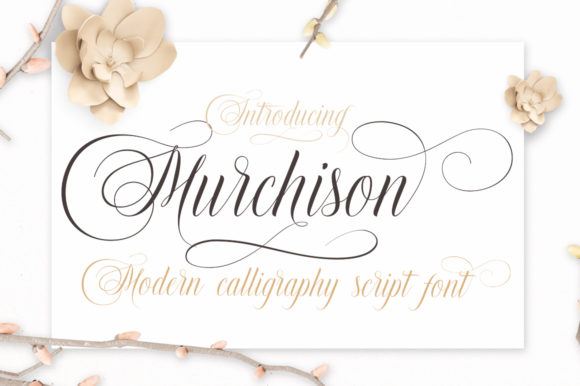
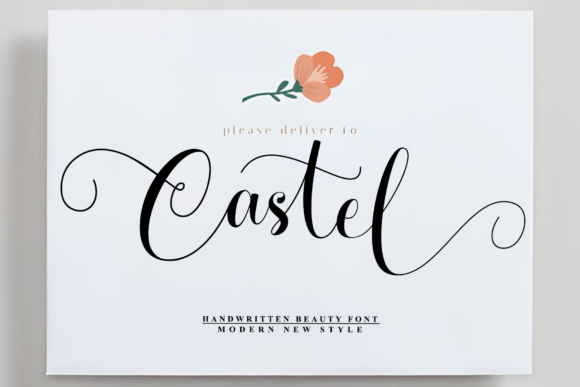
At its core, Castel is a study in contrast and flow. Its defining characteristic is the use of sweeping, looping ascenders—the parts of letters like 'b', 'd', and 'h'—that dance above the x-height, creating a dynamic visual rhythm. This is balanced by high-contrast strokes: thick, grounded downstrokes provide stability, while delicate hairline connectors weave between letters, ensuring fluidity without sacrificing legibility. The result is a premium font that feels handcrafted, as if each word was carefully penned by a skilled artisan.
This personality makes Castel far more than a simple handwritten font. It possesses a refined elegance that leans into the tradition of fine script lettering, yet it avoids feeling stuffy or overly formal. The warmth in its curves and the slight imperfections in its flow give it an approachable, human touch. It’s the typographic equivalent of a beautifully wrapped gourmet gift—thoughtful, high-quality, and immediately appealing.
Where Castel Truly Shines: Practical Applications
Understanding a font's strengths is key to using it effectively. Castel is a premier display font, meaning it excels in headline and title applications where its detailed character can be fully appreciated. Its natural elegance makes it a perfect match for specific industries and creative endeavors.
- Artisanal Food & Beverage Branding: Imagine Castel on the label of a small-batch olive oil, a craft coffee bag, or a boutique winery's bottle. It instantly communicates care, quality, and a story behind the product, elevating packaging design to a new level.
- Boutique Product Packaging: From luxury candles and skincare to handmade stationery and specialty goods, Castel adds a layer of perceived value. It helps a brand stand out on a shelf by conveying a sense of exclusivity and craftsmanship.
- Upscale Lifestyle Marketing: In social media graphics, email headers, or digital advertisements for high-end services like interior design, event planning, or personal styling, Castel sets a tone of sophistication and personalized attention.
- Creative Editorial Titles: For magazines, blogs, or book covers, particularly in genres like lifestyle, food, or romance, Castel can create captivating titles that draw the reader in. Its use in editorial design adds a touch of literary flair.
- Logo Design & Brand Identity: When used thoughtfully, Castel can form the heart of a memorable brand identity. It works beautifully for logos that aim to be elegant, personal, and timeless, especially when paired with a clean sans serif font for body text.
Beyond these core areas, Castel is also a valuable creative font for wedding invitations, greeting cards, and personal projects where a touch of handmade charm is desired.
Working with Castel: A Designer's Practical Guide
Integrating a new typeface into your workflow requires more than just installation. Here’s how to approach Castel for the best results.
Evaluating Fit and Font Pairings
Before committing, consider your project's overall voice. Does it call for warmth, elegance, and a personal touch? If yes, Castel is likely a strong candidate. The next critical step is font pairing. Because Castel is a detailed script font, it pairs best with simple, neutral companions. A geometric or humanist sans serif font for body copy creates a clean, modern contrast that lets Castel's headlines shine. For a more classic feel, a low-contrast serif font with simple forms can work, but test carefully to avoid visual clutter. Avoid pairing it with other ornate or highly decorative fonts.
Readability and Hierarchy
Castel is designed for impact at larger sizes. As a display font, its intricate details ensure strong visual hierarchy in headlines, logos, and pull quotes. However, it is not suited for long paragraphs of body text, where its looping forms could reduce readability. A common professional practice is to use Castel for key headings and a highly legible serif or sans serif for the supporting text. This creates a clear, engaging layout that guides the reader's eye effortlessly.
Exploring Styles and Licensing
Many premium design assets like Castel come with multiple styles or weights. Check if it includes alternate characters, stylistic sets, or ligatures. These features can add variety and solve spacing issues, giving you more creative control. Furthermore, as a commercial font, always verify the licensing. Ensure the license covers your intended use—whether for a client's logo, a product sold online, or a printed publication—to avoid legal issues down the line.
Final Thoughts: More Than Just Letters
Choosing a font like Castel is a strategic decision in logo design and branding. It influences not just aesthetics but also brand perception. Consistent use of a distinctive typeface like Castel across touchpoints—website, packaging, marketing materials—builds recognition and professionalism. It tells your audience that you value quality and detail, fostering a deeper audience engagement.
In a world of generic templates, Castel offers a way to inject genuine artistry and personality into your work. It’s a creative font that doesn’t just display words; it helps tell a story. By understanding its visual language and applying it with intention, you can transform a simple project into something truly memorable and effective.