Diary: Where Intimate Script Meets Modern Luxury
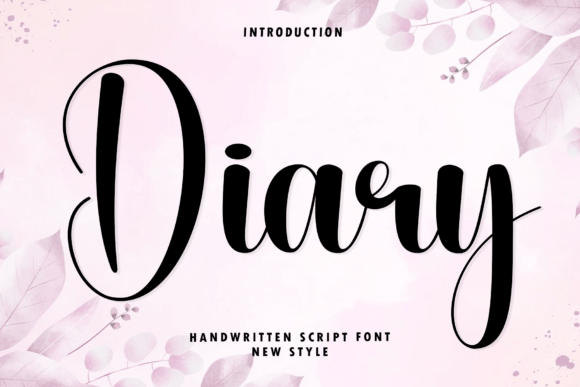
There’s a particular quality to ink on paper that digital type often misses—the slight pressure variation, the way a nib catches on fiber, the personality in a slightly imperfect curve. Diary, a contemporary handwritten script, captures that analog warmth with striking precision. It’s not just another script font; it’s a carefully crafted tool for designers who want to inject a sense of human touch and refined artistry into their work. Its defining feature is the dramatic, rhythmic contrast between whisper-thin upstrokes and confident, sweeping downstrokes. This creates a visual cadence that feels both elegant and energetic.
Anatomy of a Modern Handwritten Typeface
Understanding Diary’s structure helps you use it effectively. The typeface boasts a tall, graceful posture, which keeps it feeling upright and legible despite its script nature. The connections between letters are fluid and pen-like, mimicking the natural flow of cursive handwriting without descending into illegible scrawl. This balance is crucial. It’s a premium font that feels personal, not chaotic. The overall silhouette is artisanal and rhythmic, making it a standout display font for headlines, logos, and short phrases where its character can truly shine.
Think of Diary as the typographic equivalent of a bespoke suit—tailored, distinctive, and communicating a clear standard of quality. It carries a personality that is simultaneously intimate and luxurious. This duality makes it incredibly versatile for a range of creative professionals.
Practical Applications: From Branding to Social Media
Where does a font like Diary find its home? Its strengths lie in projects that demand a blend of sophistication and human warmth.
- Luxury Branding & Logo Design: For boutique hotels, artisanal product lines, high-end beauty brands, or personal coaching businesses, Diary can form the core of a brand identity. It instantly conveys craftsmanship and exclusivity. Pair it with a clean, geometric sans serif font for body text to create a beautiful contrast that enhances readability.
- Wedding & Event Stationery: This is a natural fit. Diary’s elegant flow is perfect for wedding invitations, save-the-dates, and program covers. It evokes the romance of handwritten notes while maintaining the polish needed for professional printing.
- Editorial & Packaging Design: Use it for magazine pull quotes, book chapter titles, or packaging design for gourmet foods, cosmetics, or specialty teas. It adds a layer of tactile, personal appeal that draws the eye.
- Digital Presence: As a creative font, Diary can elevate web design headers, blog titles, and especially social media graphics. It’s perfect for Instagram quotes, Pinterest pins, and promotional banners where stopping the scroll is essential. Its high contrast remains impactful even at smaller digital sizes when used as an accent.
Making Smart Design Decisions with Diary
Choosing a commercial font is an investment. Here’s how to ensure Diary is the right fit for your project and how to use it well.
Evaluating Project Fit
Ask yourself: Does my project need to communicate elegance, personality, and craftsmanship? If you’re designing a legal document, a technical manual, or a children’s educational website, Diary is likely the wrong choice. But if you’re creating a menu for a farm-to-table restaurant, a landing page for a life coach, or a label for a small-batch candle maker, its character is a perfect asset.
The Art of Font Pairing
Diary is a star performer, but it needs a supporting cast. For maximum impact and readability, pair it with a stable, neutral typeface. A classic serif font like Lora or Playfair Display can complement its elegance for a more traditional feel. A modern, minimalist sans serif font like Montserrat or Lato will create a sharper, contemporary contrast. Always test your pairings in context—see how they look together on a mockup business card, a website header, or a social media post.
Readability and Hierarchy
The golden rule: use Diary sparingly. It excels as a headline, a logo, or a short accent text. Do not set long paragraphs with it. The visual hierarchy it creates is immediate—the eye is drawn to its stylistic form, which is great for focal points but tiring for extended reading. Leverage this quality to guide your viewer’s attention strategically.
Understanding the Package
A quality premium font like Diary often comes with more than just basic letters. Look for included design assets such as alternate characters, ligatures, and swashes. These extras allow you to customize the look further, avoiding a repetitive appearance in headlines or logos. Check the licensing details carefully—ensure the license covers your intended use, whether for a single client project, unlimited commercial work, or web embedding.
Bringing It All Together
In a digital landscape saturated with generic text, a thoughtfully chosen handwritten font like Diary can be a powerful differentiator. It’s a tool for modern typography that doesn’t just communicate words but also conveys mood, quality, and intention. It helps build a brand identity that feels authentic and curated. By understanding its strengths—its dramatic contrast, its fluid connections, its luxurious personality—and applying it judiciously within a broader typographic system, you can create designs that resonate on a more human level. It’s about adding that deliberate, artistic grace to your visual storytelling, making every project feel a little more personal and a lot more prestigious.