Coconut Creamy: The Fluid Script for Modern Luxury
There’s a particular quality in a design that makes you pause. It’s not always about complexity; sometimes, it’s the opposite. A single, well-placed element can carry the entire mood of a piece. For designers, brand strategists, and creative entrepreneurs, that element is often typography. The right typeface doesn’t just hold words—it establishes a voice, a feeling, and a promise. In the crowded landscape of modern typography, finding a font that feels both personal and polished is a genuine challenge. This is where Coconut Creamy enters the conversation, not as just another script font, but as a specific tool for a specific kind of elegance.
Understanding the Visual Personality of Coconut Creamy
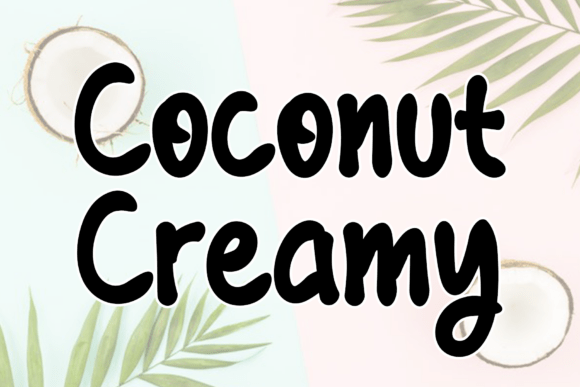
At its core, Coconut Creamy is a handwritten font, but that description only scratches the surface. Its character lies in its fluidity and consistency. The letterforms flow with a natural, connected rhythm, mimicking the organic movement of a skilled calligrapher’s hand. Unlike many casual scripts, it maintains a remarkable level of clarity. The letter spacing is thoughtfully balanced, avoiding the cramped look that can plague similar fonts. Each character has a delicate, tapered stroke that gives it a sense of airiness and refinement.
The overall appeal of this premium font is its duality. It carries the warmth and intimacy of a personal note while simultaneously projecting the sophistication of a luxury brand. It’s not overly ornate or distractingly decorative. Instead, it communicates through grace and flow. The capital letters often feature elegant, sweeping ascenders and descenders that add a touch of drama without overwhelming the lowercase letters, which remain highly legible. This balance makes it a versatile creative font rather than a one-trick novelty.
Where Coconut Creamy Truly Shines: Practical Applications
Knowing a font’s personality is one thing; knowing where to deploy it is where strategy comes in. Coconut Creamy excels in contexts where a human touch is desired to elevate perceived value and create an emotional connection.
In logo design and brand identity, it’s a powerful choice for businesses in the wellness, beauty, boutique hospitality, and artisanal food sectors. Think of a high-end spa, a custom jewelry studio, or a specialty coffee roaster. The font can form the basis of a logo or serve as a secondary script for taglines, establishing a brand voice that is both intimate and aspirational.
For editorial design and packaging design, its strengths are immediately apparent. It brings a luxurious, personalized feel to magazine headlines, article pull quotes, or book covers in the lifestyle and romance genres. On packaging, it can transform a simple label into something that feels bespoke and premium, perfect for cosmetics, gourmet foods, or artisanal candles.
Digital applications are equally compelling. It can be a standout in web design for hero sections, quotes, or special announcement banners, provided the background is clean. For social media graphics, it’s invaluable for creating eye-catching quotes, story highlights, and promotional overlays on lifestyle and product photography. The key is using it as a display font for short, impactful text—not for body copy.
Making the Strategic Choice: Selecting and Pairing Coconut Creamy
Choosing a font like Coconut Creamy requires a strategic mindset. First, evaluate the project’s needs. Is the goal to convey elegance, approachability, or luxury? Does the project’s voice require a personal, handwritten element? If the answer is yes, it’s a strong candidate.
Next, consider font pairing. A script font of this nature needs a stable partner to ensure readability and create visual hierarchy. The most effective pairings are usually with clean, neutral sans serif fonts or elegant, understated serif fonts. For example, pairing it with a geometric sans serif like Montserrat or a classic serif like Garamond creates a beautiful contrast. The script becomes the focal point for key phrases, while the supporting typeface handles the essential information clearly.
Always test the font in context. View it at the intended size, on the intended medium—whether a website mockup, a printed brochure, or a product label. Check the readability of specific letter combinations in your text. Most premium fonts, including Coconut Creamy, come with a full character set, including alternates, ligatures, and multilingual support. Explore these design assets to add variety and solve specific typographic challenges.
Finally, for any commercial project, verify the licensing. A reputable commercial font will have clear terms for use across different platforms—print, digital, and merchandise. This isn’t just a legal formality; it’s part of maintaining a professional and consistent brand identity across all touchpoints.
The Role of Typography in Audience Connection
Typography is one of the most direct lines to your audience’s subconscious. The choice of a font like Coconut Creamy influences more than just aesthetics; it shapes perception. It can make a brand feel more human and accessible, a marketing piece feel more intimate, and a product feel more luxurious. This emotional resonance drives engagement. A customer is more likely to connect with a brand that feels personal and thoughtful.
However, this power comes with responsibility. Overusing a decorative script can quickly cheapen a design and harm readability. The most effective use is measured and intentional. Use Coconut Creamy for headlines, logos, and short calls-to-action where its personality can be fully appreciated without sacrificing clarity for the reader. Its strength is in making a memorable impression, not in conveying dense information.
In the end, integrating a font like Coconut Creamy into your toolkit is about expanding your expressive range. It’s a solution for projects that need to bridge the gap between the handmade and the high-end, offering a fluid, sophisticated voice in a world of rigid type. When used thoughtfully, it doesn’t just decorate a page—it defines an experience.