Letter of Berlin: Bridging Vintage Charm and Modern Branding
The Soul of the Script: More Than Just a Typeface
In a digital landscape dominated by sterile, perfect vectors, there is a growing hunger for the imperfect. We crave the tactile feel of ink on paper, the subtle inconsistencies that prove a human hand was involved in the creation. This is precisely where Letter of Berlin steps in. It is not merely a collection of glyphs; it is a traditional handwritten script font that channels the spirit of classic calligraphy. Inspired by historical lettering, this typeface delivers a timeless vintage feel that immediately grounds a design in authenticity.
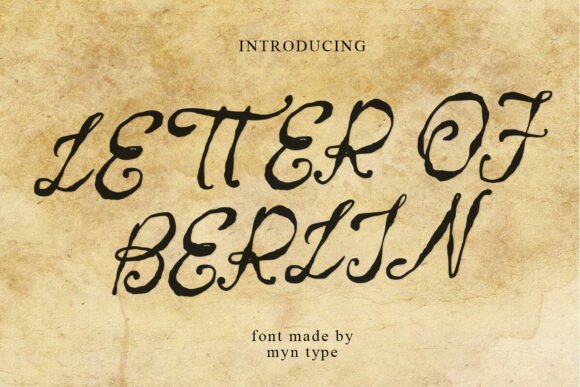
What sets Letter of Berlin apart from the thousands of other script fonts available is its refusal to be perfect. It features irregular stroke thickness and rough, imperfect edges that mimic the bleed of ink into textured paper. When you look at it, you don’t see a computer-generated path; you see the result of a nib pen held by a steady, experienced hand. For designers and brand strategists, this "flaw" is actually its greatest strength. It brings a warmth and approachability that rigid, geometric sans serif fonts simply cannot replicate. It feels lived-in, established, and incredibly personal.
Visual Characteristics and Personality
When analyzing the visual hierarchy of Letter of Berlin, you notice a distinct lack of the "machine-made" look. The strokes vary in weight naturally, mimicking the pressure changes of traditional calligraphy. This variation creates a dynamic rhythm within the text. The rough edges give the font a gritty, organic texture that is perfect for projects requiring a historical writing style. It bridges the gap between the elegance of high-end wedding stationery and the ruggedness of vintage branding.
The personality of this premium font is one of quiet confidence. It does not scream for attention with flashy swashes; rather, it commands respect through its heritage style. It speaks to a specific audience—the creator who values craftsmanship over mass production. Whether you are working on a logo design for an artisan coffee roaster or typesetting a quote for a lifestyle blogger, Letter of Berlin infuses the content with a sense of authority and nostalgia. It feels like a creative font that has a story to tell, making it a powerful tool in your design assets library.
Strategic Applications: Where to Use Letter of Berlin
Understanding where this typeface shines is key to maximizing its impact. Because it is a display font, it is best used for headlines, logos, and focal points rather than long blocks of body copy. Its strength lies in its ability to grab attention and set a mood instantly.
Wedding and Invitation Design
The most obvious application is in the stationery industry. For wedding design, Letter of Berlin is a natural fit. Its elegant, hand-lettered look mimics the expensive custom calligraphy that couples often desire but cannot always afford. It works beautifully for save-the-dates, RSVP cards, and menus. However, don't limit it to weddings. Any high-end event, from a gala to a boutique workshop, benefits from the sophistication this script font brings to the invitation design.
Branding and Logo Design
For entrepreneurs and small business owners, a logo is the face of the company. If your brand identity relies on authenticity, heritage, or a personal touch, this font is a strong candidate. Imagine a bakery, a leather goods shop, or a boutique hotel using Letter of Berlin for their wordmark. It instantly communicates that the business cares about tradition and quality. When used in logo design, the font pairs exceptionally well with a clean, geometric sans serif font for the tagline, creating a balanced visual hierarchy.
Digital and Editorial Content
In the realm of publishing and digital media, this typeface serves as a powerful tool for breaking visual monotony. Bloggers and content creators can use it for pull quotes or section headers to add a human element to their web design. It is also highly effective for social media graphics. In a sea of bold, blocky text on Instagram or Pinterest, the organic flow of Letter of Berlin can stop the scroll. It adds a layer of depth to editorial design, particularly in lifestyle magazines or lookbooks where the aesthetic is as important as the information.
Packaging and Product Display
Packaging design is another area where this font excels. Products that sit on a shelf need to communicate their value proposition in seconds. Letter of Berlin suggests a handcrafted product. It is ideal for labels on artisanal foods, cosmetics, or craft beverages. The texture of the font echoes the texture of the product inside the box. It creates a cohesive experience from the visual branding to the physical item.
Influence on Brand Perception and Engagement
Typography is a silent ambassador for a brand. The choice of typeface influences how an audience perceives the quality, price point, and personality of a business. By utilizing Letter of Berlin, you are signaling that your brand values the "human" element. It reduces the psychological distance between the business and the consumer. In an era of AI-generated content and automated customer service, a font that looks hand-drawn feels like a handshake.
This emotional connection drives engagement. A viewer is more likely to linger on a piece of print or digital media that feels warm and inviting. The irregularity of the strokes creates a visual texture that the eye enjoys exploring. It helps in building brand recognition because it is distinct; it doesn't look like the standard web-safe fonts everyone else is using. For marketers, this distinctiveness is gold. It helps a brand stand out in a crowded marketplace without being aggressive.
Practical Guidance for Implementation
As with any design asset, using Letter of Berlin requires a thoughtful approach. To get the most out of this typeface, consider the following practical tips based on real-world design experience.
- Font Pairing is Crucial: Script fonts can be overwhelming if overused. Because Letter of Berlin has a lot of visual movement, pair it with a stable, legible serif font or a modern sans serif font. This contrast allows the script to stand out while ensuring the message remains clear. For example, use the script for the main headline and a clean sans serif for the sub-headers and body text.
- Readability Considerations: While it is beautiful, it is still a handwritten script. Avoid using it for small body copy or legal disclaimers. It performs best at larger sizes where the details of the stroke and the rough edges can be appreciated. If you are using it for web design, ensure the font size is generous to maintain legibility on mobile screens.
- Evaluate the Context: Assess the mood of your project. Letter of Berlin has a vintage, historical vibe. It might not be the best fit for a futuristic tech startup or a medical report, but it is perfect for a heritage brand or a creative portfolio. Context is everything in modern typography.
- Check the Styles and Licensing: Before finalizing your design, review the font package. Does it include alternates or ligatures? These extra glyphs can help you customize the text to avoid repetitive loops, making the handwriting look even more natural. Furthermore, always verify the commercial license to ensure your usage—whether for a client logo or a mass-produced product—is covered.
Conclusion
Letter of Berlin is more than just a creative font; it is a bridge between the past and the present. It offers the charm of classic calligraphy with the convenience of a digital typeface. For designers, marketers, and entrepreneurs looking to inject soul, history, and authenticity into their work, this font is an invaluable tool. It proves that in a world of perfection, the beauty of the imperfect, handwritten word is still the most powerful way to connect with an audience.